
Game On: The Future of Consumer Interaction
At DLD 2026, one thing became clear very quickly: gaming is no longer a niche entertainment category or a youth subculture. It is steadily becoming one of the most powerful engagement layers of the digital economy, shaping how people socialise, learn, shop, and build identity.
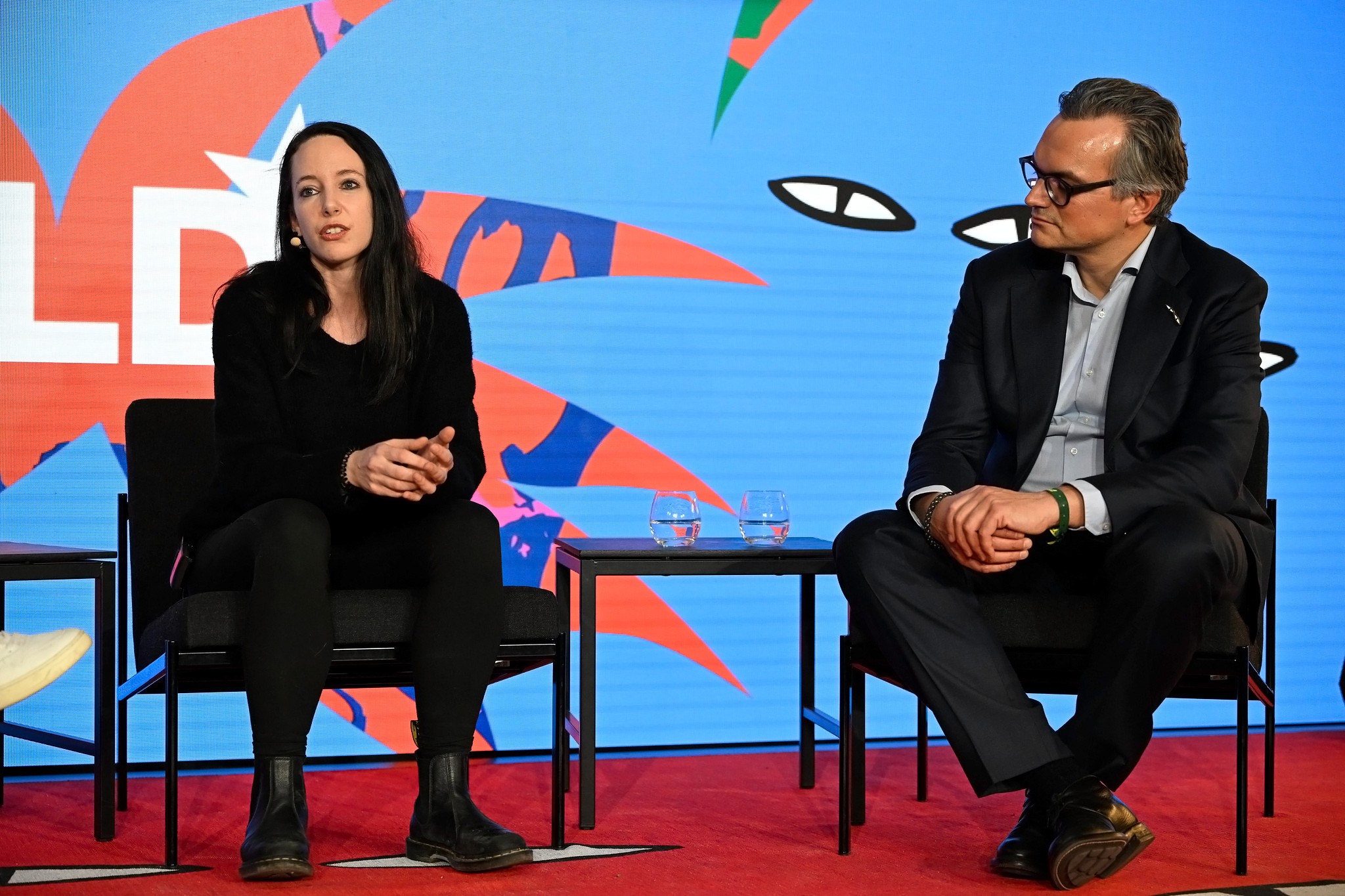
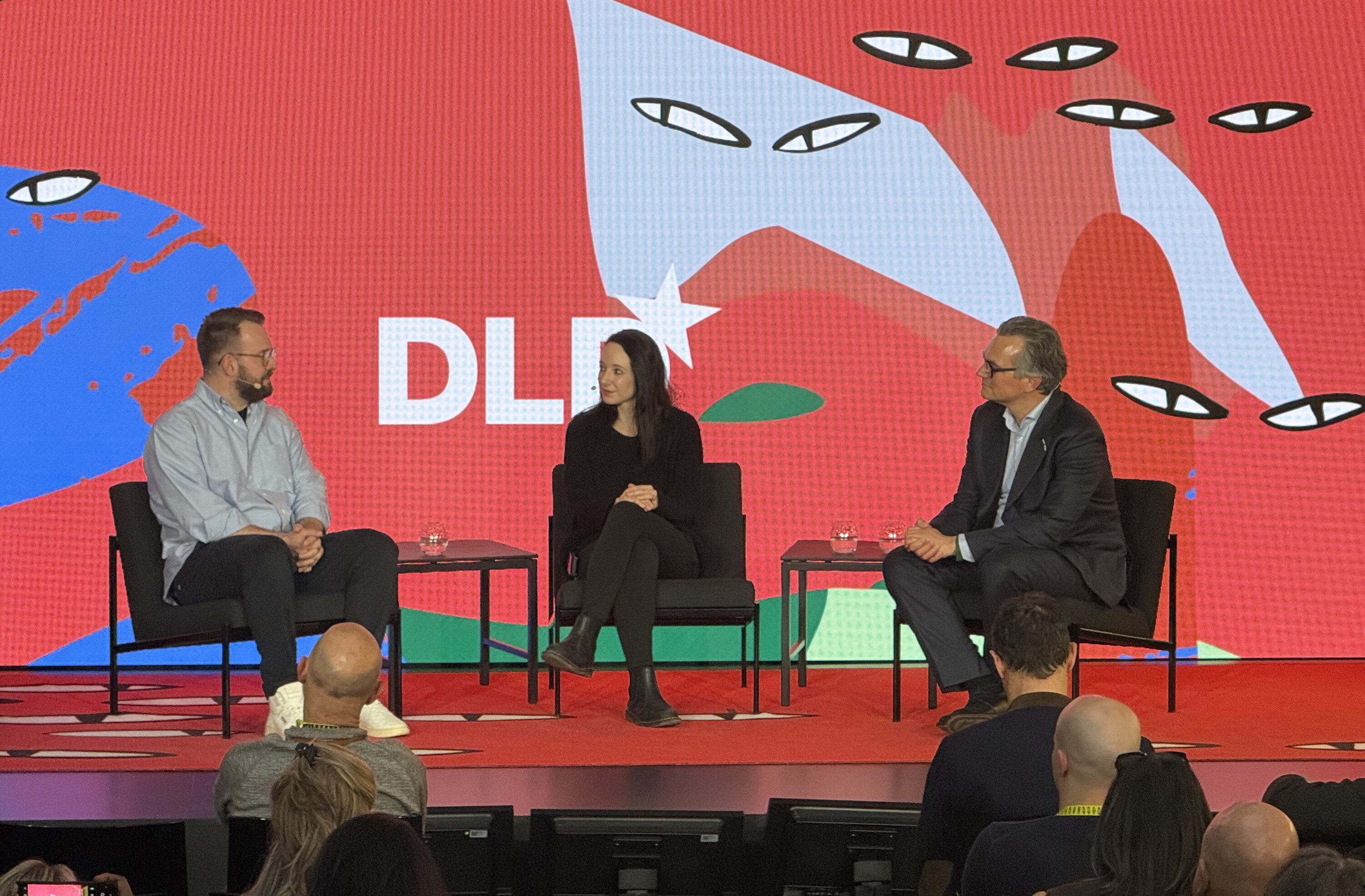
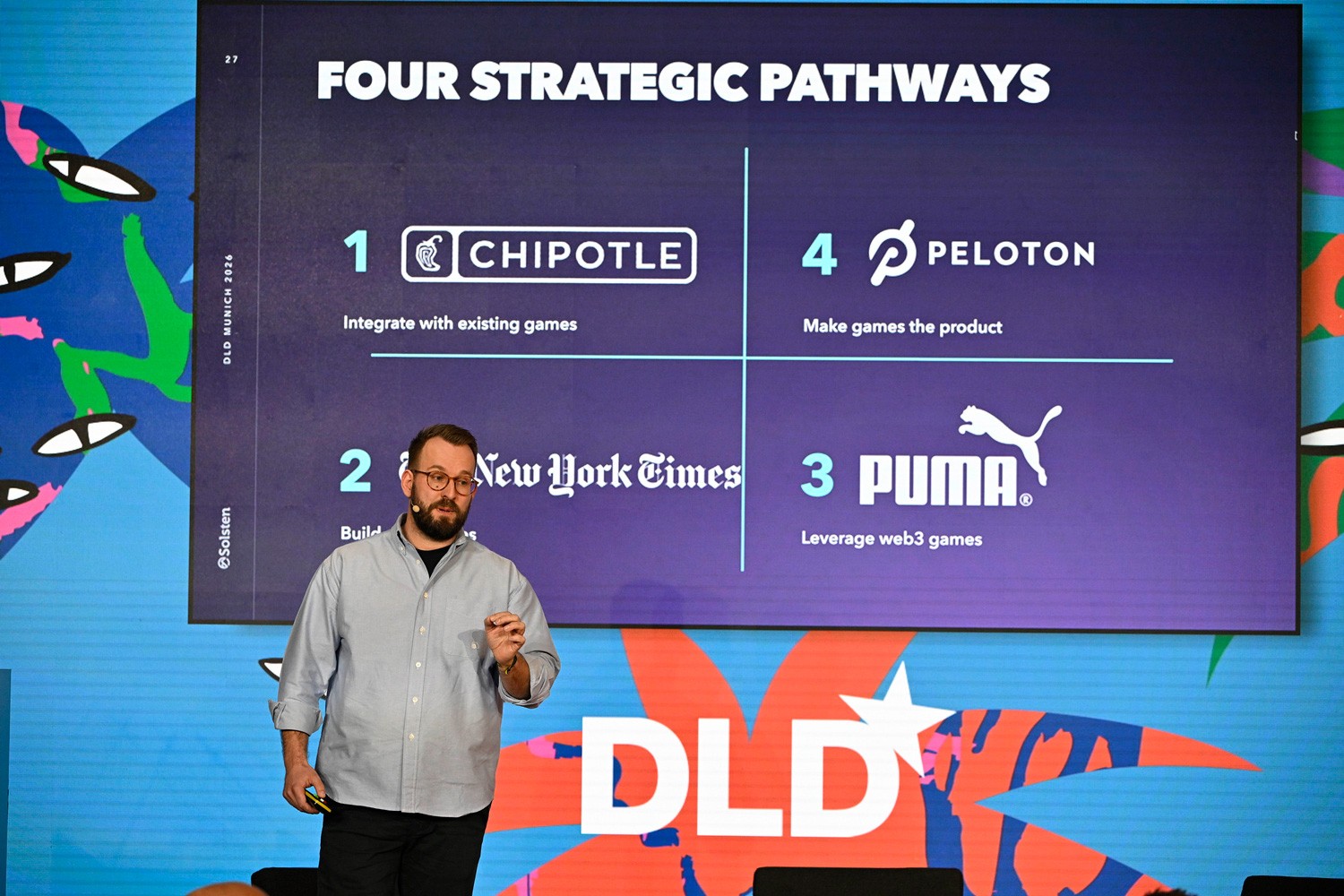
This shift was front and centre in the panel “Game On – Why Every Company Needs a Gaming Strategy”, featuring Bastian Bergmann (Author of Press Play – Why Every Company Needs a Gaming Strategy and the Co-founder and COO of Solsten), Christian Teichmann (CEO of Burda Principal Investments and Member of the Executive Board at Burda), and Prof. Johanna Pirker (Computer scientist and professor at the Technical University of Munich). Together, they explored how gaming has evolved from a discrete industry into a foundational platform for consumer engagement and why companies that fail to engage with it meaningfully risk drifting out of sync with where attention, culture, and purchase behavior are moving.
Gaming as the New Engagement Layer
For decades, brands relied on a familiar set of channels to reach consumers: television, print, radio, and later social media. These formats were largely passive and one-directional. Gaming flips that dynamic entirely.
Games are participatory by design. They require decision-making, time investment, skill development, and emotional commitment. As Bastian Bergmann noted during the DLD discussion, play is not just entertainment, it is a fundamental human learning mechanism. By combining rules, goals, and real-time feedback loops, games pull players into sustained states of focus that other media struggle to achieve.
This participatory structure explains why gaming environments consistently outperform other digital channels on attention, recall, and loyalty. Players do not merely see brands in games, they interact with them, navigate systems built around them, and form associations over time. The brand becomes part of the experience, not an interruption.
From “Gamers” to a Mass Medium
One of the most persistent misconceptions challenged at DLD is that gaming remains a niche activity confined to young or technically inclined audiences. In reality, the category has expanded so broadly that the term “gamer” has lost much of its usefulness.
Mobile gaming, cross-platform play, and social mechanics have embedded games into everyday routines across generations. Parents play with children. Professionals unwind with casual or strategy games. Older demographics are among the fastest-growing player segments globally.
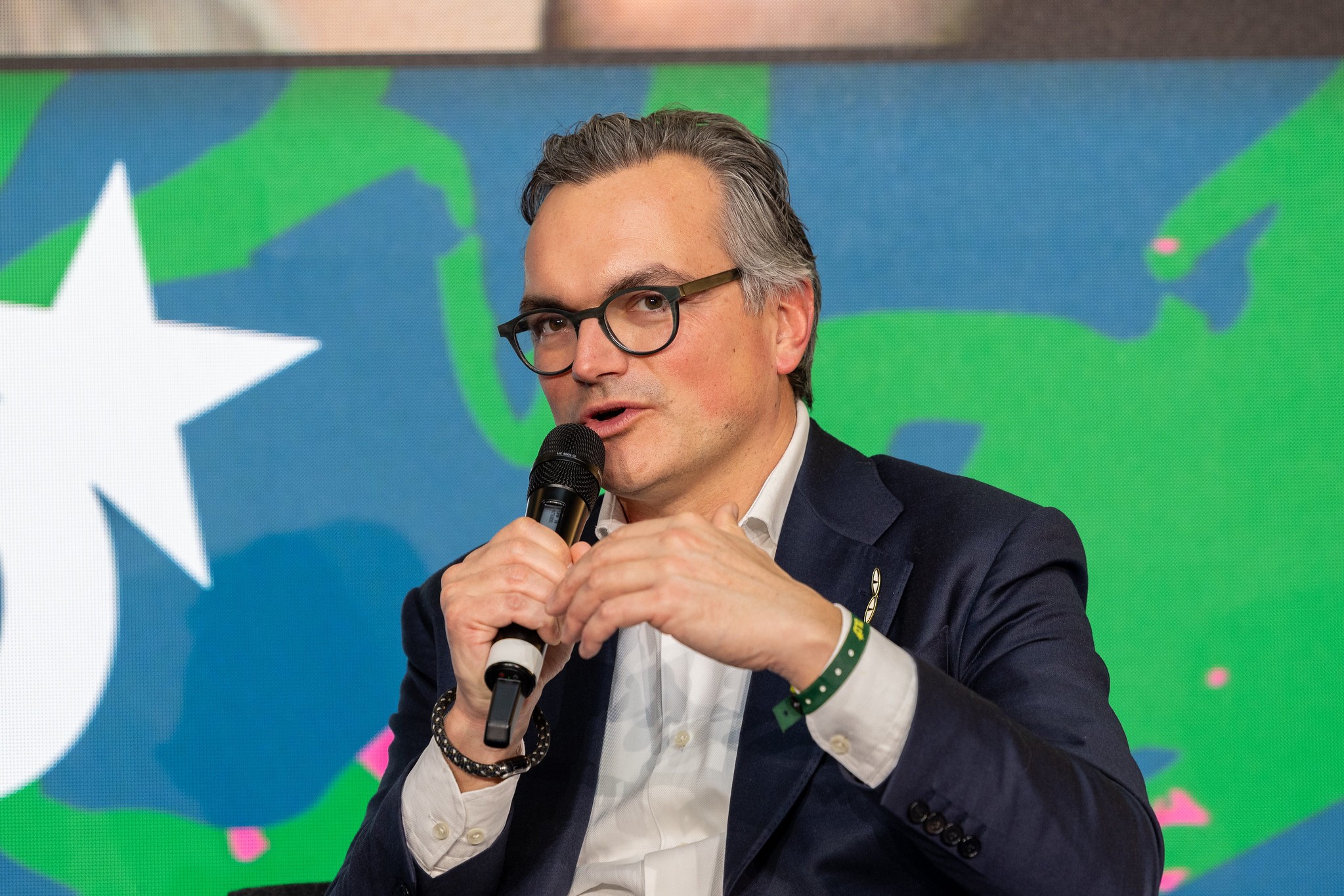
As Christian Teichmann emphasised, this demographic broadening fundamentally changes how gaming should be understood by companies and investors. Gaming is not a trend tied to a single generation. It is becoming a durable cultural layer that people age into, not out of.
That shift matters commercially. Consumers are increasingly comfortable spending real money inside games, and those digital transactions often influence real-world purchasing decisions. Discovery, evaluation, and conversion no longer happen sequentially across different channels, they increasingly occur inside the same interactive environment, often driven by social interaction rather than explicit advertising.
From Insight to Action: BPI’s Gaming Commitment
At Burda Principal Investments (BPI), these insights are not purely theoretical. They are shaping how we approach gaming, as investors, and as ecosystem builders alongside the wider Burda group.
In January 2026, Burda and BPI announced BurdaGP, a European gaming initiative developed in close cooperation with TUM Venture Labs and embedded into UnternehmerTUM’s venture building engine. BurdaGP is designed to support the next generation of European gaming founders, products, and platforms, with a structured path from early concepts to investor-ready ventures.
A key part of the model is the bridge between research, venture building, and scale-up pathways: the program connects founders to frontier work in gaming engineering, AI, and interactive systems through collaboration with TUM Venture Labs Software & AI and the Gaming Chair at the Technical University of Munich, led by Prof. Johanna Pirker, while also creating early investment opportunities for BPI and potential integration routes into Burda’s ecosystem.
At the same time, BPI continues to invest directly in gaming and gaming-adjacent companies, backing teams that treat engagement, retention, and community as product fundamentals, not just metrics. And as Christian put it during the discussion, the question is no longer whether gaming belongs in a company’s strategy, but how deliberately and how deeply it is willing to commit.

Looking Ahead
The conversations at DLD 2026 reinforced a simple but powerful idea: gaming is becoming one of the most important interfaces between companies and consumers. It blends entertainment, social interaction, commerce, and identity in ways no previous medium could.
For businesses, this requires a shift in mindset away from campaigns and toward systems, away from impressions and toward experiences. For investors, it demands a deeper appreciation of how play, technology, and human behavior intersect over long time horizons.
Gaming is not a side quest. It is increasingly the main storyline.